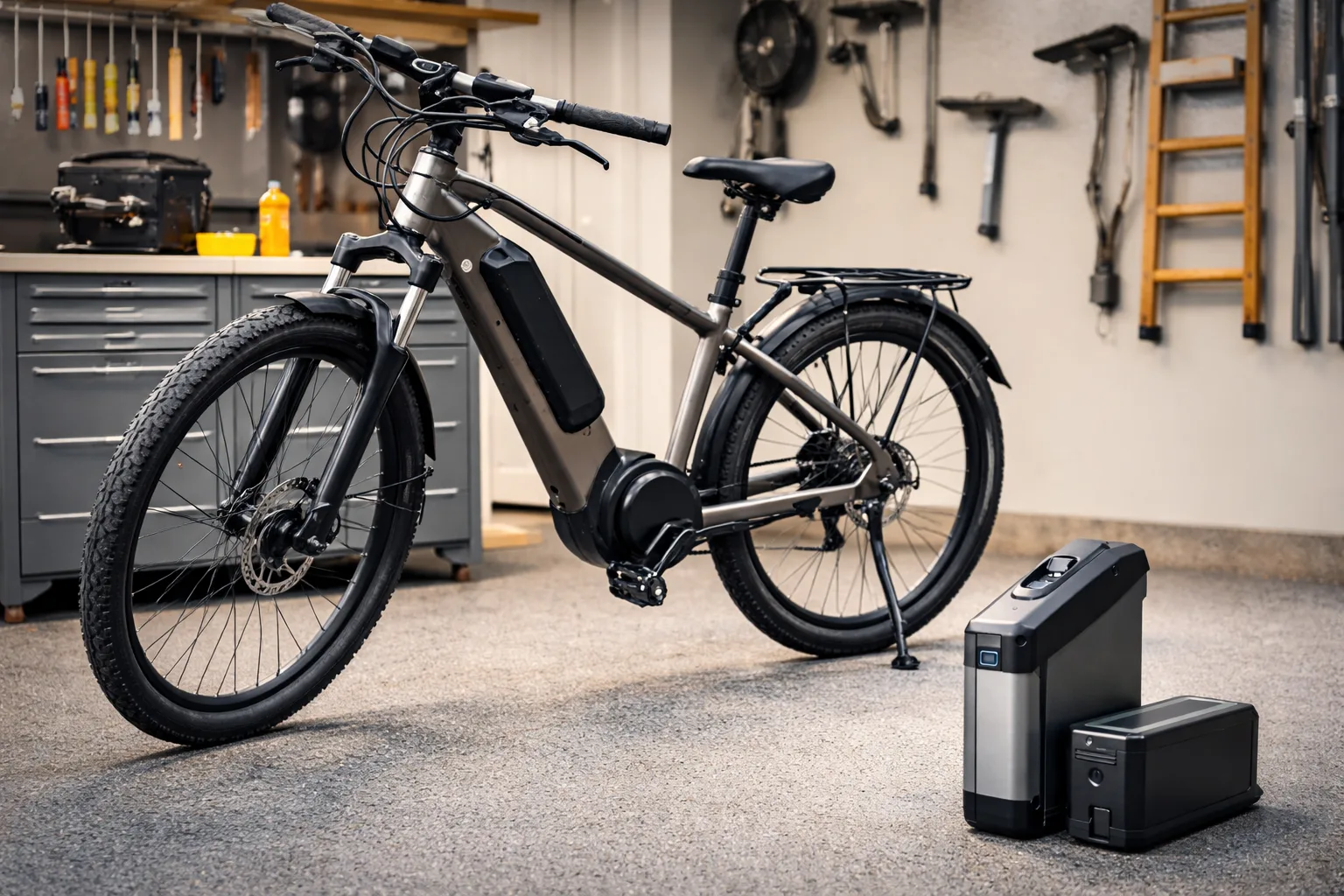
The battery is the most expensive single component on any electric bike. When it starts losing capacity, the cost of a replacement is the first question every rider asks. Prices vary a lot depending on what you need, so let me walk you through the real numbers.
The Price Range You Should Expect
Most e-bike batteries in 2026 cost between $300 and $1,200. The average rider spends about $400 to $800 for a quality replacement. Here is what drives that price up or down.
| Factor | Lower Cost | Higher Cost |
|---|---|---|
| Voltage | 36V ($400 to $600) | 52V ($600 to $900) |
| Capacity | 10Ah ($300 to $400) | 20Ah or more ($800 to $1,200) |
| Cell Brand | Generic cells | Samsung, LG, Panasonic |
| Source | Third party certified | OEM from manufacturer |
The biggest factor is capacity, measured in amp hours (Ah). More amp hours means more range per charge, but also a higher price tag. A 48V 14Ah battery is the sweet spot for most commuters. It delivers 30 to 50 miles of range and typically costs $500 to $700.
To understand total energy storage, multiply voltage by amp hours to get watt hours (Wh). A 48V 14Ah battery holds 672Wh of energy. Higher watt hours means more range. Most commuters do well with 500 to 700Wh. Long distance riders may want 700Wh or more.
OEM vs Third Party Batteries
Original manufacturer batteries come with the peace of mind that they are built specifically for your bike. They cost 20 to 50 percent more than third party options, and sometimes the premium is justified for the warranty and perfect fit.
Third party batteries from reputable companies like EM3ev or Unit Pack Power can save you real money. The key is to make sure they use name brand cells and include a quality battery management system (BMS). A good BMS protects against overcharging, overheating, and cell imbalance.
I have installed both types in my shop for years. Quality third party batteries perform just as well as OEM units in most cases. Where OEM shines is in customer support if something goes wrong.
Hidden Costs to Watch For
The battery itself is the big expense, but there are a few other costs to keep in mind. Some bikes require a specific mounting bracket or connector that can add $20 to $50 to the total. If you have your local shop do the swap, expect a $30 to $60 labor charge, though most installations take less than 15 minutes.
Shipping is another factor. Lithium ion batteries are classified as hazardous materials for shipping, which means ground transport only in most cases. Shipping fees can range from $30 to $80 depending on the seller and your location.
How to Save Money on Your Next Battery
Buy during sales events. Many e-bike battery sellers run promotions during Black Friday, Prime Day, and end of season clearance periods. You can save 15 to 25 percent by timing your purchase.
Consider a slightly smaller battery if you do not need maximum range. Dropping from a 17.5Ah to a 14Ah can save you $100 to $200, and most riders never use the full capacity of a large battery on a single ride anyway.
If you are wondering whether the investment is worth it compared to buying a new bike, the math almost always favors replacement. And once you have a new battery, understanding which battery type is best can help you make the smartest choice.
What Is Coming in the Future
Battery prices are trending downward. Goldman Sachs projects average battery cell costs could hit $80 per kilowatt hour by 2026, which is nearly 50 percent below 2023 levels. While consumer e-bike pack prices will not drop that dramatically due to integration costs, the overall direction is positive.
LFP (lithium iron phosphate) batteries are also entering the e-bike market. They cost less per cycle, last two to three times longer, and are safer than standard lithium ion. The trade off is extra weight, but for commuters and cargo bike riders, the savings add up over time.
Frequently Asked Questions
Why are some e-bike batteries so much more expensive than others?
The price difference comes down to three things: cell quality, capacity, and brand. A battery using premium Samsung or LG cells with a smart BMS costs more to manufacture than one using generic cells. Higher capacity batteries (more amp hours) also cost more because they use more cells.
Can I upgrade to a bigger battery than what came with my bike?
In many cases yes, as long as the voltage matches. You can often go from a 10Ah to a 14Ah battery at the same voltage. However, going to a higher voltage (like 36V to 48V) requires a controller that supports it. Check with your manufacturer or a qualified e-bike mechanic first.
How do I know which battery fits my electric bike?
You need to match three things: voltage (36V, 48V, or 52V), connector type, and physical mounting style. Check your bike's manual or the label on your current battery. Most reputable sellers have compatibility tools on their websites.
Are cheap e-bike batteries from Amazon safe?
Some are, many are not. Look for UL 2271 certification, which means the battery has been tested for safety. Avoid batteries that do not list the cell brand or BMS specifications. A suspiciously low price is often a warning sign of cheap cells that could pose a fire risk.
Does the battery brand affect my bike's warranty?
Using a third party battery may void the battery portion of your warranty, but it should not affect the frame, motor, or component warranty. Check your specific manufacturer's warranty terms before making the switch.